
It started with a question I didn’t know how to answer: What am I worth when no one sees me as anything but a transaction? I wasn’t looking for validation from strangers. I was trying to stop believing the lie that my body was the only thing I had to offer. That’s when I began working as an independent escort in Paris. Not because I had no other options-but because I finally chose to define my value on my own terms.
One night, after a client left without tipping, I sat on the edge of the bed and scrolled through a list of local services. I found a profile that read: escort girl sur paris. It wasn’t glamorous. It wasn’t even accurate. But it was real. And for the first time, I saw someone else writing their own story-no filters, no apologies. That’s when I realized I didn’t need to be perfect to be valuable. I just needed to be honest.
What I Thought Sex Work Was Before I Started
I used to think sex work was about desperation. That it was the last resort for people with no education, no support, no choices. I was wrong. Most of the women I met weren’t broke. Some had degrees. Others ran side businesses. One woman I worked with had a PhD in linguistics and taught French to expats during the day. At night, she made her own rules: no drugs, no group sessions, no last-minute changes. She set her prices higher than most, and clients paid because she knew how to hold space. She didn’t sell sex. She sold presence.
That’s the thing no one talks about: sex work isn’t just physical. It’s emotional labor. You learn to read silence. You notice when someone’s voice cracks after they say ‘thank you.’ You learn to sit with people who’ve never been held without an agenda. I didn’t realize how much of my own loneliness I was healing until I started showing up for others.
The Rules I Made for Myself
I didn’t start with a business plan. I started with a list. Three non-negotiables:
- No one gets to touch me without my clear, verbal consent-every time.
- No alcohol or drugs on the job. Ever.
- If I feel unsafe, I leave. No explanations needed.
That last one saved me more than once. Once, a client showed up drunk and started yelling about how he’d ‘paid for my time.’ I walked out. Called a friend. Got a ride home. Didn’t look back. That night, I didn’t earn money. But I earned my self-respect.
I also started tracking my income-not just in dollars, but in emotional energy. I kept a journal. One column: ‘What I gave.’ Another: ‘What I got back.’ Some days, I gave a lot and got nothing. Other days, I gave a little and walked away feeling lighter. I learned to say no to the ones that drained me. And yes, to the ones that reminded me I was still human.
The Stigma That Didn’t Go Away
My mom still doesn’t know. My friends think I work in marketing. My cousin asked me last Christmas if I’d ever considered ‘getting a real job.’ I didn’t correct her. I just smiled and changed the subject. But inside, I kept thinking: What is a real job? Is it the one that pays the bills? Or the one that lets you breathe?
People assume sex workers are broken. That we’re damaged goods. But I’ve met more trauma survivors in this line than in any therapy group. And every single one of them had a plan. A way out. A savings account. A side hustle. A tattoo that said ‘I am not your fantasy.’
The real damage isn’t in the work. It’s in the shame we’re taught to carry. The way society tells women: ‘You can’t be smart and sexual. You can’t be strong and desired. You can’t be respected and paid for your body.’

How I Learned to Value Myself
It wasn’t a single moment. It was a thousand small ones.
The first time a client said, ‘You’re not what I expected,’ and meant it as a compliment. Not because I was prettier, but because I spoke clearly, asked thoughtful questions, and didn’t pretend to be someone I wasn’t.
The day I realized I could afford to take a week off-just because I needed to. No guilt. No panic. Just rest.
The moment I stopped apologizing for my boundaries. ‘No’ became my favorite word. Not because I was being rude, but because I finally understood: my time, my body, my energy-they aren’t up for negotiation.
I started reading books on feminist economics. I joined a small collective of independent workers in Paris. We shared tips on safe meeting spots, legal rights, and how to handle aggressive clients. One woman taught me how to write a contract. Another showed me how to use encryption for messaging. We didn’t call ourselves ‘sex workers.’ We called ourselves ‘professionals.’ And we meant it.
Escirte Paris and the Myth of the ‘Easy Life’
There’s a myth out there: that if you’re an escirte paris, you’re living the dream. Champagne, luxury cars, constant attention. It’s not true. Most of us live in modest apartments. We cook our own meals. We pay rent. We worry about taxes. We have bad days. We cry in the shower. We miss birthdays. We get tired.
But here’s what’s real: we get to choose who we let in. We get to decide when we’re done. We get to keep our dignity, even when the world refuses to see it.
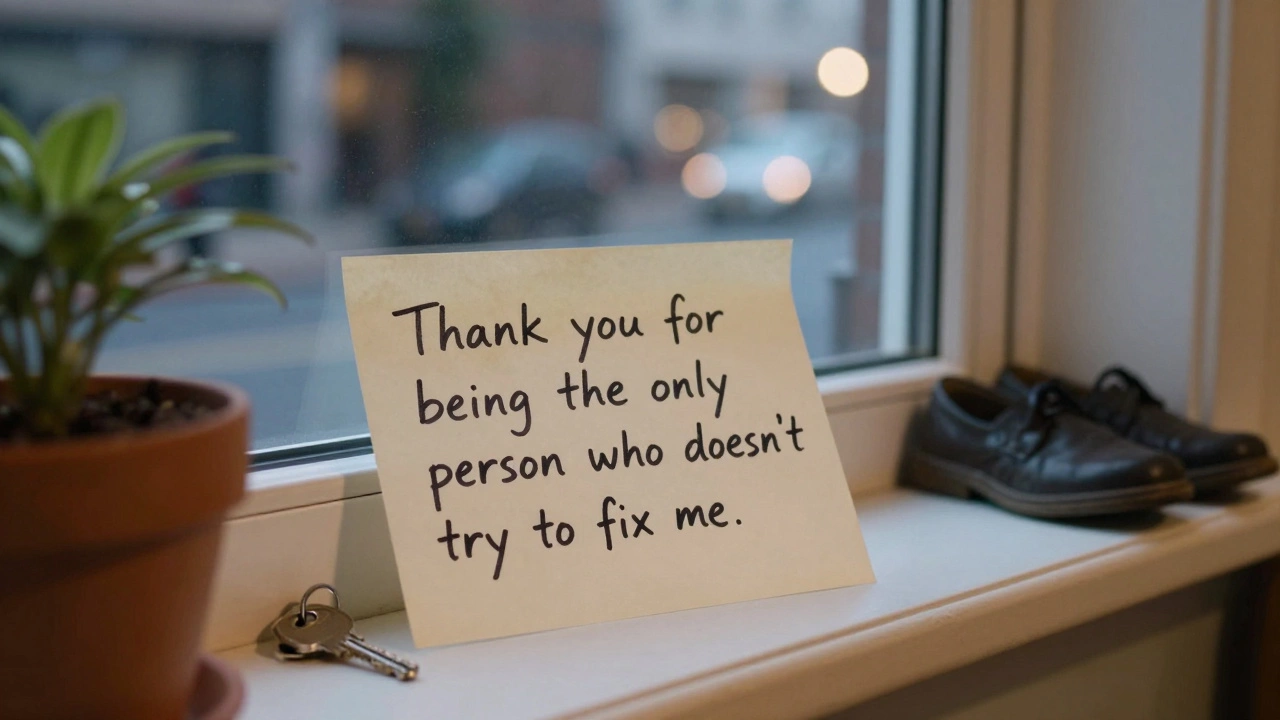
I once had a client who came back every month. He never asked for more than an hour. He brought books. We talked about poetry. He never touched me unless I said so. One time, he left me a note: ‘Thank you for being the only person who doesn’t try to fix me.’ I kept that note for years.
What This Work Taught Me About Love
Before sex work, I thought love meant being wanted. Now I know: love is being respected-even when no one’s watching.
I stopped dating for a while. Not because I didn’t want to. But because I needed to learn how to be with myself first. I didn’t need someone to tell me I was enough. I needed to tell myself.
When I finally started dating again, I brought my boundaries with me. I told partners early: ‘I work for myself. I set my own rules. If that’s a problem, we don’t need to talk.’
Some walked away. Others stayed. The ones who stayed? They didn’t see me as a job. They saw me as a person. And that made all the difference.
My Worth Isn’t What You Pay Me
I don’t work because I have to. I work because I can. Because I’ve earned the right to say yes or no. Because I’ve learned that my body isn’t a commodity-it’s a home. And I get to decide who gets to sit at my table.
People ask me if I regret it. I don’t. I regret the years I spent trying to shrink myself to fit into someone else’s idea of worth. I regret the silence. The apologies. The pretending.
Now, when I look in the mirror, I don’t see a sex worker. I don’t see a client’s fantasy. I see someone who survived. Someone who chose herself-even when it was hard. Someone who turned pain into power.
If you’re reading this and you’re wondering if your body has value-yes. It does. Not because someone pays you. Not because you’re beautiful. But because you’re here. And you’re choosing to keep going.